Dirt Roads to Destiny: How a Migrant Farmworker Built the Movement That Fed America's Conscience
Dirt Roads to Destiny: How a Migrant Farmworker Built the Movement That Fed America's Conscience
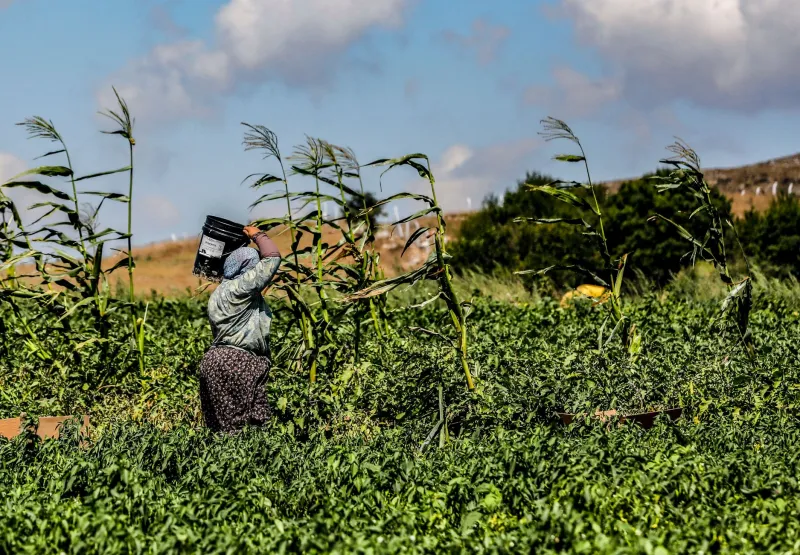
There's a particular kind of exhaustion that settles into a body after years of stooping over strawberry rows in ninety-degree heat, breathing pesticide dust, and earning wages that don't cover the rent on a labor camp shack. Most people who know that exhaustion never escape it. César Chávez did — and then he turned around and pulled hundreds of thousands of others out with him.
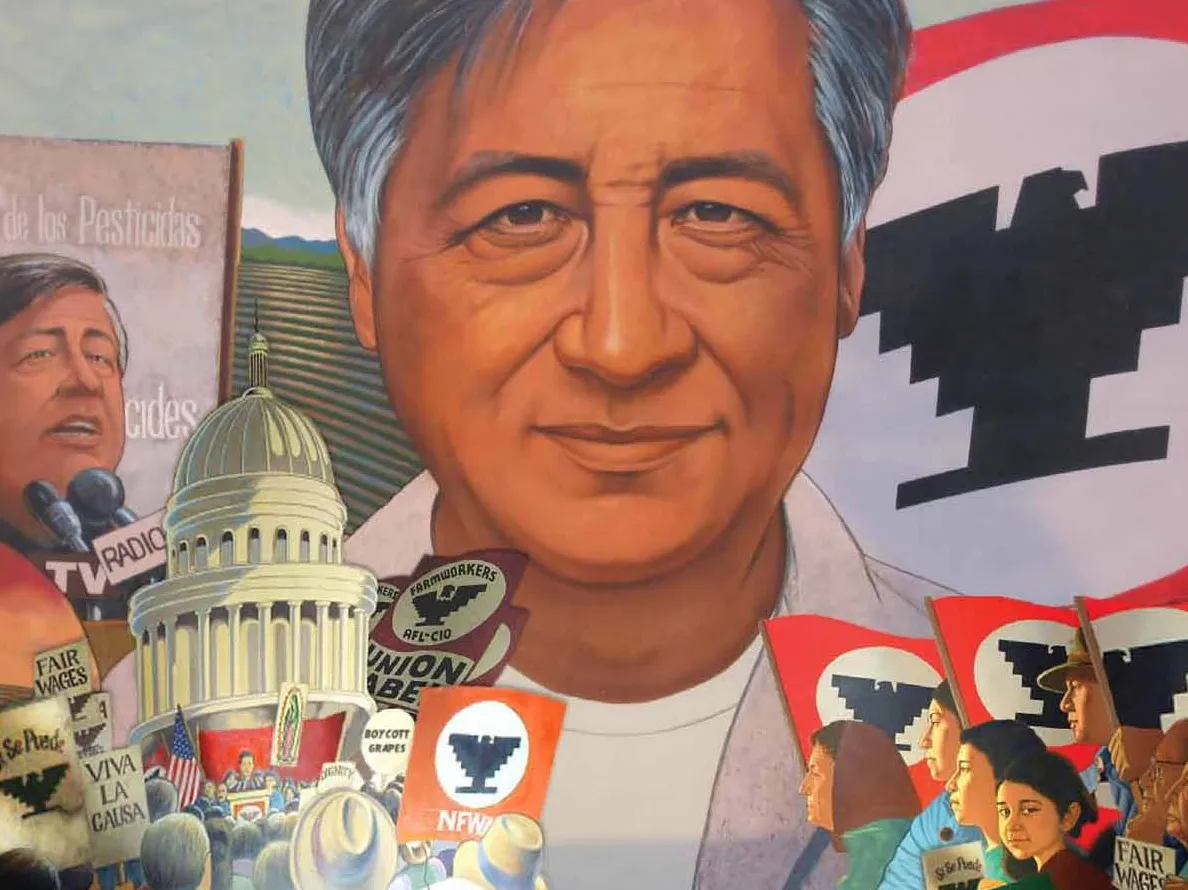 Photo: César Chávez, via 3.bp.blogspot.com
His story doesn't begin with a dramatic turning point or a stroke of luck. It begins with loss.
A Childhood Spent Moving
César Estrada Chávez was born in 1927 near Yuma, Arizona, the second of six children in a Mexican-American family that owned a small grocery and a farm. When the Great Depression wiped out the family's property in 1938, they joined the vast tide of migrant workers flowing into California's Central Valley, chasing harvests from Fresno to Salinas to the San Joaquin Valley.
By the time Chávez finished eighth grade — his final year of formal schooling — he had attended nearly forty different schools. His family moved with the crops. Stability was a luxury they couldn't afford. He took to the fields full-time at fifteen, doing work that most Americans never see and almost nobody wants to talk about: the backbreaking, underpaid, legally unprotected labor that puts food on the national table.
Farm labor in mid-century California was a world designed to keep workers powerless. There were no overtime protections. No right to organize under the National Labor Relations Act, which had explicitly excluded agricultural workers when it was written in 1935. Growers held enormous political sway, and the workers — many of them Mexican, Filipino, and Mexican-American — had virtually no recourse when conditions turned brutal.
Chávez absorbed all of this. He was watching, even when nobody thought he was.
The Education Nobody Gave Him
After a stint in the Navy and his marriage to Helen Fabela in 1948, Chávez settled in San Jose, California, and began working in apricot orchards. It was there that a Catholic priest and community organizer named Father Donald McDonnell introduced him to the writings of Saint Francis of Assisi and, crucially, to the labor encyclicals of Pope Leo XIII. For a young man with no formal education beyond middle school, this was a revelation — a framework that gave moral weight to everything he had witnessed in the fields.
Then came Fred Ross.
Ross was an organizer for the Community Service Organization, a civic group working to register Latino voters and fight discrimination in California cities. He spotted something in Chávez during a 1952 house meeting in San Jose — a quiet intensity, a natural ability to listen, a stubborn belief that ordinary people could change their circumstances. Ross hired him. Chávez spent the next decade registering voters, fighting evictions, and learning the mechanics of grassroots organizing from the ground up.
He was, in other words, building his education one neighborhood meeting at a time.
The Gamble That Nobody Thought Would Work
In 1962, Chávez made a decision that most people in his orbit considered borderline reckless. He quit his salaried job with the CSO and moved his family — he and Helen had eight children by then — to Delano, California, to organize farmworkers directly. They had $1,200 in savings. He drove from labor camp to labor camp in a battered station wagon, asking workers to pay $3.50 a month in dues to join an association that didn't yet exist.
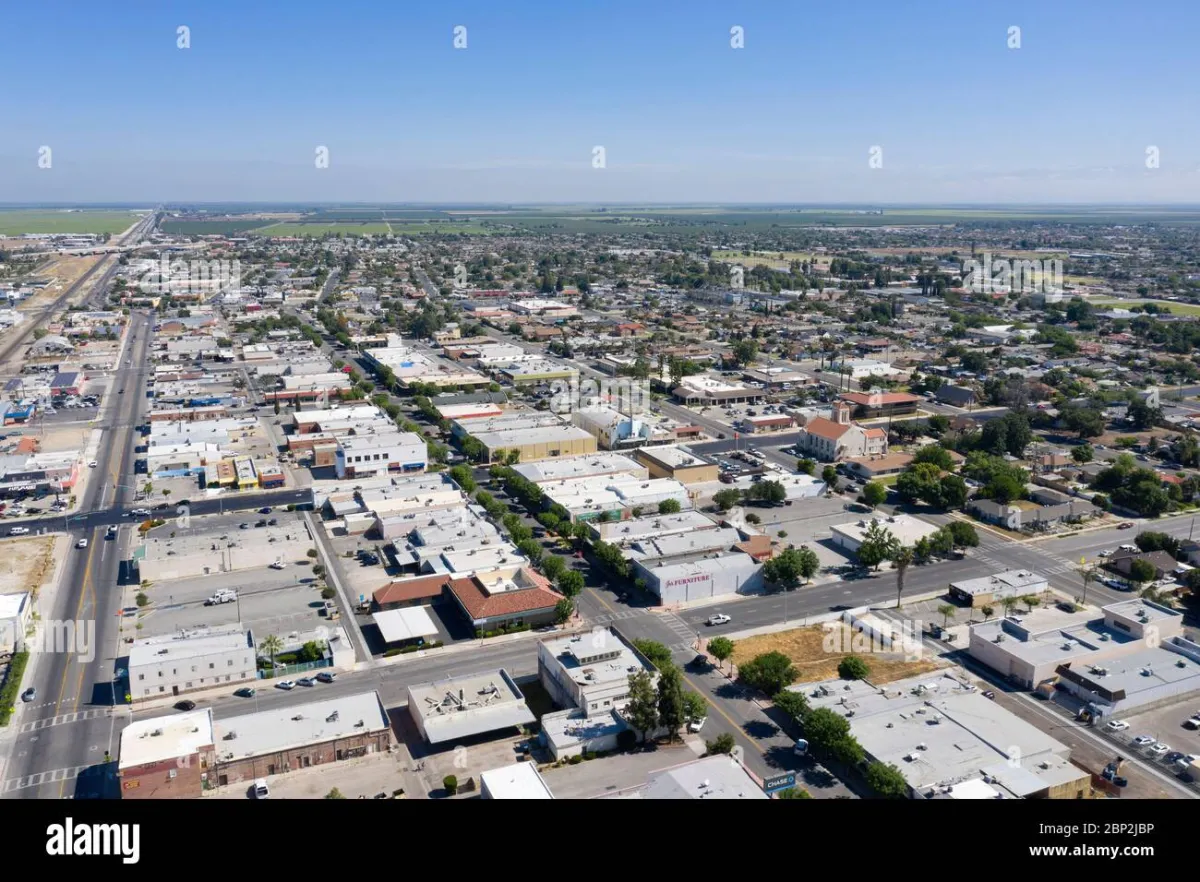 Photo: Delano, California, via c8.alamy.com
Almost nobody thought it would work. Agricultural workers had been organized before, and those efforts had been crushed — by growers, by local law enforcement, by the sheer economic desperation that made striking feel like suicide.
But Chávez had something previous organizers hadn't fully understood: the power of dignity as an organizing tool. He didn't just talk about wages. He talked about what it meant to be treated as a human being. He brought in the symbols and rituals of Mexican Catholic culture — the Virgin of Guadalupe, the eagle on the black flag of the new United Farm Workers — and he made the movement feel like something workers already belonged to, not something being handed down to them.
Grapes, Hunger, and the Long Game
The grape strike of 1965 became the movement's defining crucible. When Filipino farmworkers in Delano walked off the job demanding higher wages, Chávez and the UFW joined them. What followed was one of the longest and most consequential labor actions in American history — a strike and consumer boycott that lasted five years and reached into grocery stores across the country.
Chávez understood something that pure labor organizers sometimes miss: the consumer is a voter too. He took the boycott national, asking ordinary Americans to stop buying California table grapes. Millions did. By 1969, grape shipments had dropped dramatically, and the economic pressure on growers became impossible to ignore.
In the middle of it, Chávez fasted. Not as a publicity stunt — though the press certainly covered it — but as a spiritual discipline and a check on the movement's own impulses toward violence. He went without food for twenty-five days in 1968, emerging gaunt and weakened. Robert F. Kennedy, then campaigning for the Democratic presidential nomination, flew to Delano to break bread with him in front of thousands of workers. The image went everywhere. The invisible had become visible.
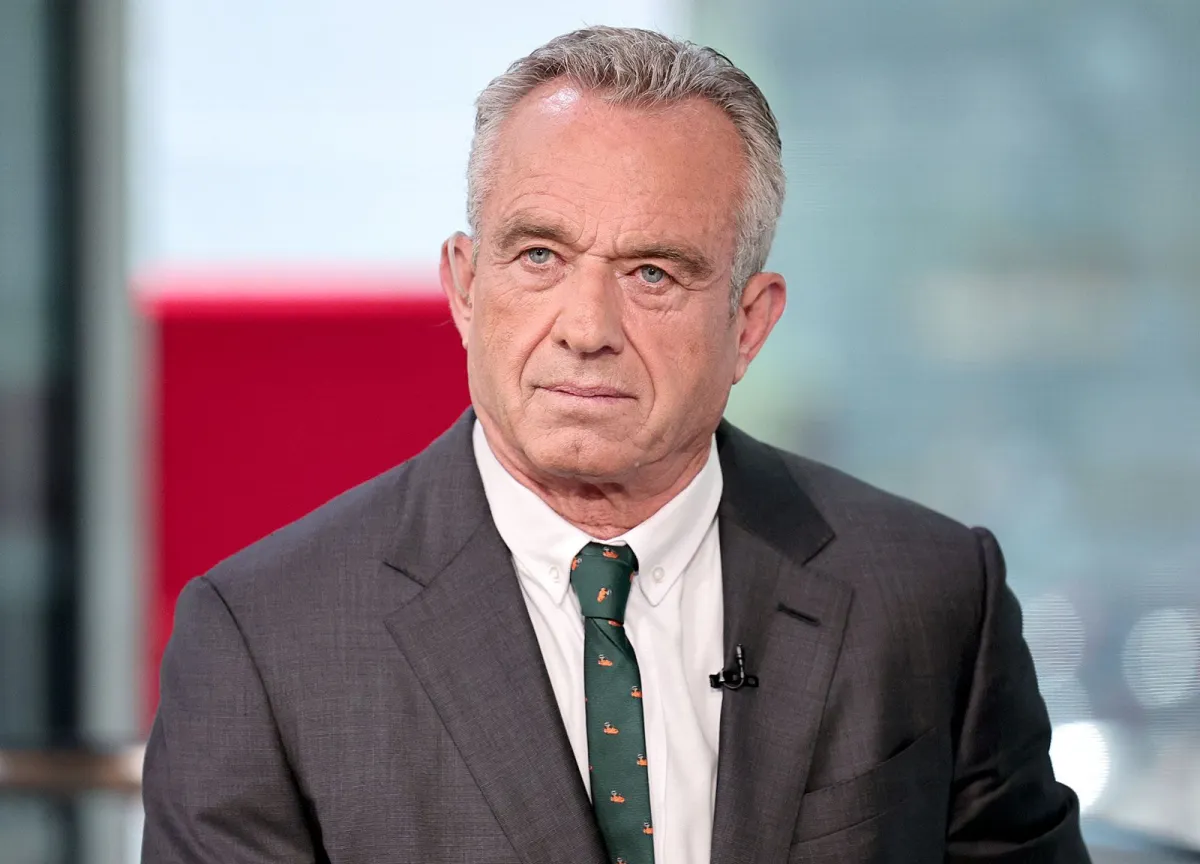 Photo: Robert F. Kennedy, via cdn.britannica.com
More fasts followed. More marches. More arrests. And in 1970, after five years of strikes and boycotts, twenty-six Delano grape growers signed contracts with the UFW. It was, by any measure, an extraordinary victory.
What the Fields Taught Him
Chávez's later years were complicated. The UFW faced internal conflicts, organizational struggles, and an increasingly hostile political climate through the 1980s. Critics, including some former allies, argued that the union's later leadership decisions undermined the gains of the early years. Chávez died in 1993, in Arizona, not far from where he was born. He was sixty-six years old and still organizing.
He left behind a movement that had permanently altered the landscape of American labor law in California, a generation of Latino political leaders who cut their teeth in UFW campaigns, and a phrase — Sí, se puede — that would echo through American political life for decades.
The remarkable thing about César Chávez isn't that he overcame the odds. It's that he looked at a system engineered to make resistance impossible and decided the engineering was wrong. He had no law degree, no family connections, no institutional backing. What he had was moral clarity, an organizer's patience, and a refusal to accept that the people bent double in the fields were any less deserving of dignity than the people eating the fruit they picked.
Sometimes that's enough. Sometimes that's everything.