The Town That Refused to Die: How Greensburg, Kansas Rebuilt From Nothing
The Night Everything Disappeared
On the evening of May 4, 2007, Greensburg, Kansas was a typical Great Plains farming community of 1,400 people. By sunrise on May 5, it was a moonscape.
 Photo: Greensburg, Kansas, via cdn.extendoffice.com
An EF5 tornado – the most powerful classification on the Enhanced Fujita Scale – had carved a path 1.7 miles wide straight through the heart of town. Wind speeds topped 200 miles per hour. The storm lasted 23 minutes and erased 95% of everything Greensburg had ever been.
Eleven people died that night. The rest found themselves staring at a pile of rubble where their lives used to be. Main Street was gone. The school was gone. The hospital, the courthouse, the grain elevator that had anchored the town's skyline for decades – all reduced to twisted metal and splintered wood.
Insurance adjusters took one look and started writing checks for people to relocate. Economic development experts ran the numbers and declared Greensburg finished. Even FEMA officials quietly suggested that maybe it was time for residents to start over somewhere else.
But the people of Greensburg had a different idea.
The Meeting That Changed Everything
Three weeks after the tornado, about 200 residents gathered in a tent on what used to be Main Street. They'd come to hear presentations from city planners and disaster recovery specialists, most of whom had variations on the same theme: rebuild what you had, but smaller.
Then Steve Hewitt, the city administrator, stood up with a proposal that sounded like science fiction. What if, instead of rebuilding the old Greensburg, they created something completely new? What if they built America's first completely sustainable city – a place powered entirely by renewable energy, constructed with green building materials, designed to work with nature instead of against it?
 Photo: Steve Hewitt, via www.pelckmansuitgevers.be
The idea was audacious to the point of absurdity. This was rural Kansas in 2007, oil country, where "environmental" was still a fighting word in some circles. These weren't Silicon Valley entrepreneurs with venture capital backing. They were farmers and shop owners and retirees who'd just lost everything they owned.
But as Hewitt talked about wind power and solar panels, about energy-efficient buildings and sustainable agriculture, something unexpected happened. People started nodding. They started asking questions. They started believing.
When Desperate Times Call for Radical Measures
The logic was surprisingly practical. Greensburg sat in one of the windiest corridors in America – why not harness that power? The tornado had wiped the slate clean – why not build it back better? Federal disaster funds were available – why not use them to create something revolutionary instead of just replacing what was broken?
Daniel Wallach, a renewable energy consultant, became an unlikely hero in this prairie drama. He'd never worked on anything remotely like rebuilding an entire town, but he threw himself into the project with the passion of a convert. Working pro bono, he helped design systems that would make Greensburg not just sustainable, but profitable.
 Photo: Daniel Wallach, via content.promiflash.de
The town's new wind farm would generate more electricity than Greensburg could use, allowing them to sell power back to the grid. Green building techniques would slash utility costs for residents. Sustainable agriculture practices would improve crop yields while reducing input costs.
It wasn't just environmentalism – it was economics with a conscience.
Building the Impossible, One Foundation at a Time
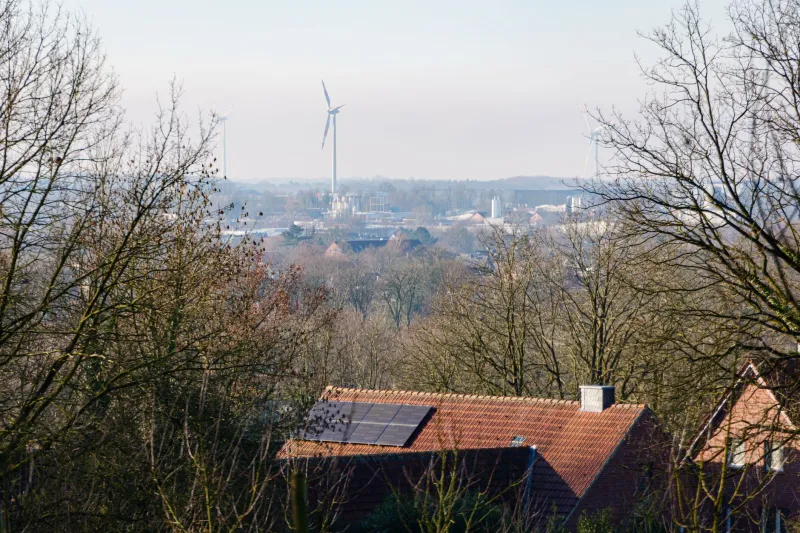
The first test came with the new city hall. The old building had been a modest, conventional structure. The new one would be the first LEED Platinum-certified city hall in Kansas, featuring geothermal heating and cooling, solar panels, and walls made from recycled materials.
Skeptics predicted cost overruns and construction delays. Instead, the building came in on time and under budget. More importantly, its utility bills were 75% lower than the old city hall.
Success bred success. The new school was built to LEED standards and became a showcase for sustainable education. The hospital incorporated green design principles that reduced operating costs while improving patient outcomes. Even the grain elevator – rebuilt taller and stronger than before – featured energy-efficient systems that cut costs for local farmers.
The Ripple Effect of Radical Optimism
As word spread about Greensburg's transformation, something unexpected began happening: people started moving there. Young professionals drawn by the town's innovative spirit. Entrepreneurs looking to test green technologies. Families attracted by the promise of affordable, sustainable living.
The population, which had dipped to fewer than 800 in the immediate aftermath of the tornado, began climbing back toward pre-disaster levels. Property values rose. New businesses opened. The town that experts had written off was becoming a destination.
National Geographic decided to film a documentary series about the rebuilding effort. The Discovery Channel followed suit. Greensburg became a case study taught in urban planning programs across the country.
When Small Towns Think Big
Bob Dixson, the mayor during the rebuilding, often said that the tornado gave Greensburg something most towns never get: a chance to start over. But it took more than opportunity to create what Greensburg became. It took a collective leap of faith by people who had every reason to play it safe.
These weren't risk-taking venture capitalists or tech entrepreneurs comfortable with disruption. They were farmers and shop owners and teachers who'd lived their entire lives in the same small town. The tornado had already taken everything they owned – betting on an unproven vision of sustainable living meant risking everything they had left.
But that's exactly what made it work. When you've already lost everything, the downside of thinking big doesn't look so scary anymore.
The Town That Became a Movement
Today, Greensburg generates more renewable energy than it consumes. Its buildings use 40% less energy than conventional construction. The town's carbon footprint is negative – it actually removes more greenhouse gases from the atmosphere than it produces.
More importantly, it's profitable. The green infrastructure that seemed like an expensive gamble in 2007 now saves residents thousands of dollars annually in utility costs. The wind farm generates revenue for the city. The sustainable agriculture practices pioneered by local farmers have been adopted across the region.
Other communities facing economic decline have started making pilgrimages to Greensburg, hoping to learn how a dying town reinvented itself as a model for the future. Urban planners study Greensburg's approach to sustainable development. Business schools teach case studies about its public-private partnerships.
The Remarkable Odds of Ordinary People Doing Extraordinary Things
Greensburg's story isn't really about wind power or LEED certification or sustainable agriculture. It's about what happens when ordinary people refuse to accept the limitations others place on them.
Experts said the town was finished. Insurance companies wrote it off. Government officials suggested residents relocate. But 1,400 people looked at a pile of rubble and saw possibility.
They didn't have advanced degrees in urban planning or renewable energy. They didn't have experience building sustainable cities. What they had was something more powerful: the absolute conviction that they could create something better than what they'd lost.
In the end, that's what made all the difference. Greensburg didn't just survive the tornado that destroyed it – it used that destruction as the foundation for something remarkable. Sometimes the most extraordinary transformations begin with the simple refusal to accept that extraordinary things are impossible.