The Hollow the Recruiters Skipped: How One Forgotten Mountain Town Sent Men Who Came Home as Heroes
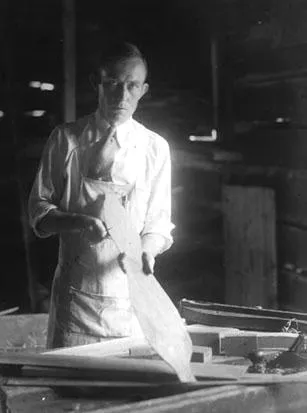
Photo: Unknown, Public domain, via Wikimedia Commons
The road into Canaan Hollow, West Virginia, turns to gravel about three miles past the county line and doesn't apologize for it. In the 1940s, it was worse. In the 1930s, it barely existed. The hollow sat in the crease between two ridges in the southern coalfields, home to maybe three hundred people at its peak — miners, farmers, and the families they kept fed on determination and very little else.
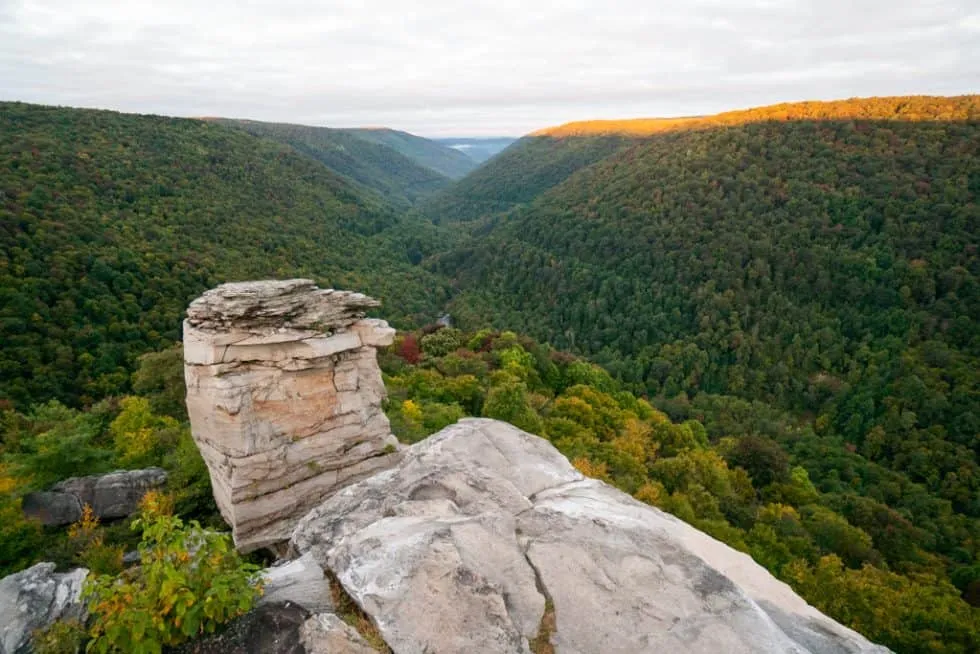 Photo: Canaan Hollow, West Virginia, via adventuresofaplusk.com
When the draft boards came calling during World War II, Canaan Hollow showed up. It didn't have a choice, legally, but that's not quite the point. The point is what happened after — and what the men who came from that forgotten fold in the mountains went on to do in places most of their neighbors had never heard of, in wars that seemed very far from the ridgeline they grew up staring at.
Four men from Canaan Hollow returned from American conflicts between 1945 and 1971 carrying the nation's highest military honors. Four men from a community that didn't appear on most state maps. Four men whose names, if you asked a historian today, would probably draw a blank stare.
A Place Built for Endurance
To understand what Canaan Hollow produced, you have to understand what Canaan Hollow was.
It was not a romantic kind of poverty. It was the grinding, structural kind — the kind that follows coal country like a shadow, where the company owns the store and the house and sometimes seems to own the air. Children worked early. Men aged fast. The life expectancy in communities like this trailed the national average by a decade or more.
But hardship, when it doesn't break a community, has a way of building something in its place. Residents of Canaan Hollow describe a culture of intense mutual reliance — you helped your neighbor because next winter it would be you needing help. Physical toughness was not celebrated so much as assumed. Boys grew up hunting, hauling timber, and navigating terrain that would challenge a trained hiker. Discomfort was not a condition to be avoided. It was just Tuesday.
"You didn't complain up there," said Robert Hensley, a historian at West Virginia University who spent years documenting the hollow's social history. "Not because people were stoic in some cinematic way, but because complaining didn't accomplish anything. You just kept moving."
The Four
The first was Coy Damron, who enlisted in 1942 at eighteen and found himself in the Pacific theater within a year. Damron received the Distinguished Service Cross for actions on a Philippine island in 1945 that his citation describes, in the careful language of military commendation, as "conspicuous gallantry beyond the call of duty." He came home to Canaan Hollow, worked in the mines for twenty years, and never talked about it much.
The second was his younger cousin, Harlan Damron, who served in Korea and received the Silver Star at the Chosin Reservoir — one of the most brutal engagements in American military history, a battle fought in temperatures that dropped to minus-35 Fahrenheit. Harlan was twenty-two years old. He later said the cold reminded him of a particularly bad winter back home, which his commanding officer reportedly found either impressive or deeply unsettling, depending on the day.
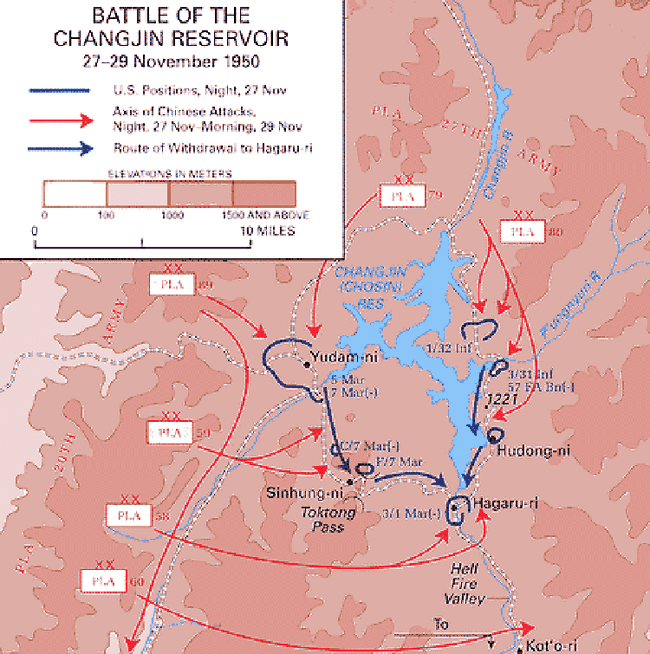 Photo: Chosin Reservoir, via www.thoughtco.com
The third, Luther Blevins, was drafted in 1966 and served two tours in Vietnam. He received the Distinguished Service Cross and was recommended for the Medal of Honor, a recommendation that moved through channels slowly enough that it never resulted in a formal award — a bureaucratic footnote that Blevins himself seemed unbothered by. "I know what happened," he told a reporter in 1987. "I don't need a piece of metal to know."
The fourth was a woman, which surprises people who assume the story ends with men. Darlene Combs enlisted in the Army Nurse Corps in 1968, served in field hospitals in Vietnam, and received the Bronze Star with Valor for her actions during a mortar attack on a medical facility near Da Nang. She was twenty-four. She came home to West Virginia, became a nurse practitioner, and spent the next thirty years treating patients in rural communities that had almost no other medical access.
 Photo: Da Nang, via www.nothingfamiliar.com
What the Hollow Knew That the Recruiters Didn't
None of these four people were recruited aggressively. None were identified early as exceptional. They came from a place the military and the government and the broader American economy had largely decided wasn't worth the trip up the gravel road.
And yet.
There's a version of this story that frames it as a paradox — how could such a neglected place produce such remarkable people? But that framing gets it backwards. The neglect and the remarkable people aren't in spite of each other. They're tangled up together in ways that are worth sitting with.
Communities that have been left to fend for themselves develop muscles that more comfortable places don't need. They develop a relationship with hardship that isn't defeat — it's familiarity. The Damrons and Blevins and Combs didn't become extraordinary in spite of where they came from. They became extraordinary because of everything that place demanded of them before they ever put on a uniform.
The Question Worth Asking
Canaan Hollow doesn't exist the way it did. The mines closed. The young people left. The population dropped below a hundred and kept dropping. The gravel road is still bad.
But the question its story raises doesn't go away with the population. How many places like Canaan Hollow are still out there? How many communities does America routinely skip over — in recruiting, in investment, in attention — while the people inside them quietly develop the kind of character the country celebrates only when it shows up somewhere more visible?
The hollow the recruiters didn't bother with sent four people who came home as heroes. It's worth wondering what the places we're skipping today might be holding.